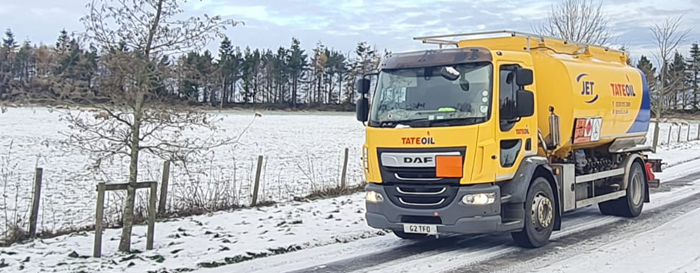
Winterizing Your Home: Essential Steps for Heating Oil Users
As the autumn leaves start to fall and the temperatures start to drop, it’s a clear sign that winter is on its way. For heating oil users, preparing your home for the colder months is crucial to ensure you stay warm and comfortable while keeping your heating costs under control. Winterizing your home is not only about staying cozy; it’s also about optimizing energy efficiency. In this blog post, we’ll explore essential steps that heating oil users should take to winterize their homes effectively.
1. Schedule a Heating System Inspection
Before the winter chill sets in, it’s wise to have your heating oil system inspected by a professional. An oftec registered engineer can clean and tune up your boiler, ensuring it operates at peak efficiency. They can also identify and address any potential issues that could lead to breakdowns during the winter.
2. Check Your Heating Oil Tank
Inspect your heating oil tank for any signs of damage, such as rust (on a metal tank) or stress-lines and leaks on plastic. Ensure that the tank is free from overhanging trees and overgrown foliage.Being able to inspect all sides of your tank is essential, any (white) stress lines or cracks could split entirely once the weight of an oil delivery is introduced.

3. Seal Gaps and Cracks
Drafts from gaps and cracks in your home’s windows, doors, and walls can lead to significant heat loss. Seal these openings with weatherstripping, caulk, or insulation to prevent cold air from entering and warm air from escaping. This simple step can lead to substantial energy savings over the winter.
4. Insulate Your Home
Proper insulation is a key element of a well-winterized home. Insulate your attic, walls, and basement to keep heat inside. Pay special attention to areas where heat loss is most common, such as around pipes, ducts, and electrical outlets.
5. Upgrade Your Thermostat
Consider upgrading to a programmable or smart thermostat. These devices allow you to set heating schedules based on your daily routines and can automatically lower the temperature when you’re not at home. This can result in substantial savings on your heating oil bills.
6. Stock Up on Heating Oil
Make sure your heating oil tank is full before winter arrives. Running out of heating oil during a cold spell can lead to frozen pipes and a chilly home. Many heating oil suppliers offer automatic delivery services, so you never have to worry about running low.
7. Prepare for Power Outages
Winter storms can bring power outages. Ensure you have a backup heating source, such as a generator or a wood-burning stove, to keep your home warm in case of an extended outage. Stock up on emergency supplies like blankets, flashlights, and non-perishable food items.
8. Maintain Your Fireplace and Chimney
If you have a fireplace or wood-burning stove, have the chimney inspected and cleaned to prevent the buildup of creosote, which can be a fire hazard. Make sure the damper is functioning correctly and that there are no leaks in the chimney.
Conclusion
Winterizing your home is not just about comfort; it’s also a wise investment in energy efficiency and cost savings. By taking these essential steps for heating oil users, you can ensure a warm and cozy winter while keeping your heating bills in check. Remember, early preparation is key, so start your winterization efforts well before the first snowfall to enjoy a worry-free and comfortable winter season.